
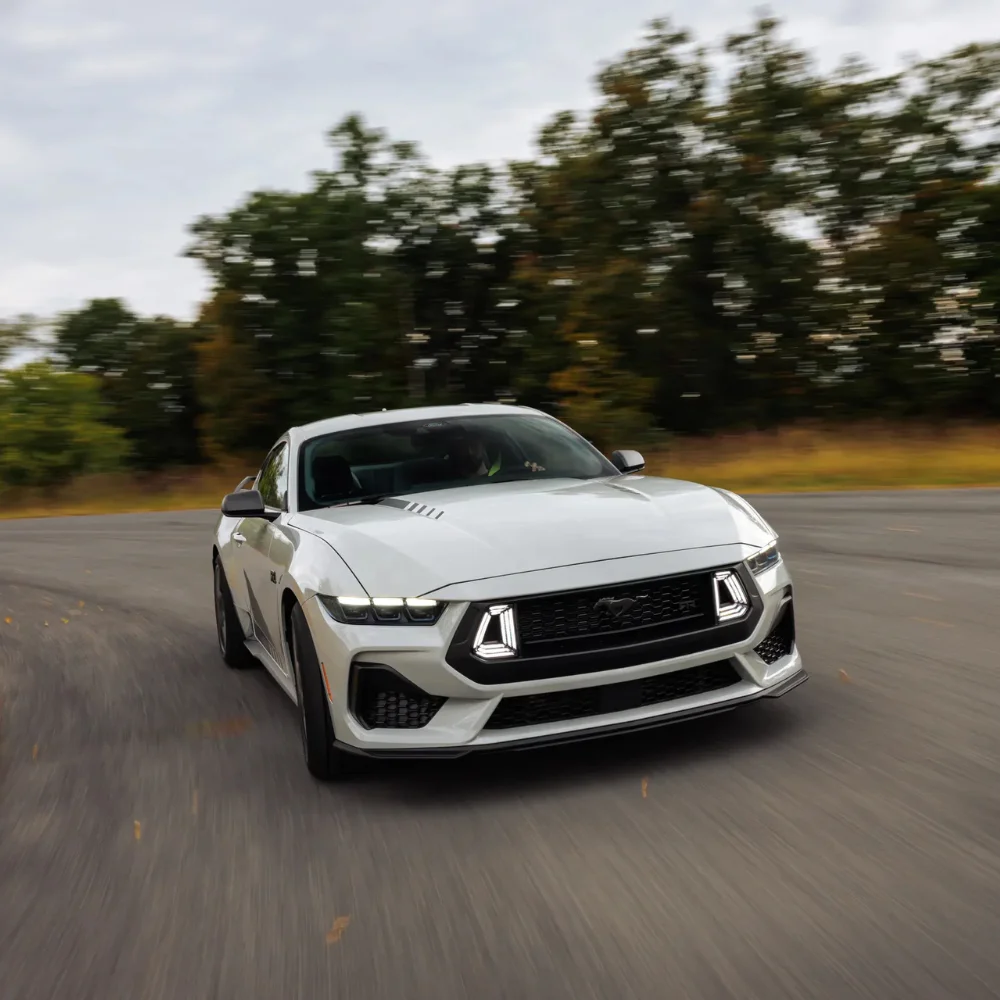
The holidays mean travel, family, and sometimes long hours on the road. Whether you’re heading up to the Berkshires or down the coast, your Ford deserves a quick pre-trip checkup.
Cold weather, heavy traffic, and extra cargo can all put added stress on your vehicle. A little preparation before you leave makes your holiday drive safer and more enjoyable.
Why Pre-Trip Checks Are Essential
Winter driving in Connecticut often means sudden temperature drops, slick roads, and crowded highways. Even small maintenance issues—like low tire pressure or an aging battery—can turn into big problems on a long drive.
Taking an hour for a simple inspection helps prevent breakdowns and ensures your Ford runs efficiently from start to finish.
Step-by-Step: Your Ford Holiday Safety Checklist
1. Check the Battery
Cold weather weakens battery performance, and older batteries struggle most.
-
Look for corrosion around the terminals.
-
Make sure cables are tight and free of buildup.
-
If the battery is 3–5 years old, have it tested.
-
Listen for slow cranking—it’s a sign of a weak battery.
Tip: Schedule a quick test at a trusted Ford dealership in CT before your trip for peace of mind.
2. Inspect Tire Condition and Pressure
Tires are your only contact with the road—keep them ready for the cold.
-
Check tread depth (at least 4/32" for winter driving).
-
Look for cuts, bulges, or uneven wear.
-
Check pressure when tires are cold.
-
Don’t forget the spare—make sure it’s inflated and in good shape.
Properly inflated tires improve handling and fuel efficiency on long drives.
3. Test Your Brakes
Holiday traffic and slippery roads require reliable brakes.
-
Listen for squeaks or grinding noises.
-
Check for a soft or vibrating pedal.
-
If your vehicle pulls to one side when braking, get it inspected.
Brakes wear faster in stop-and-go winter traffic, so it’s smart to check before you travel.
4. Top Off and Replace Fluids
Your Ford relies on several fluids to perform safely. Before a long trip, make sure each one is full and clean.
-
Engine oil (check level and color)
-
Coolant/antifreeze
-
Brake fluid
-
Windshield washer fluid (use winter-rated fluid)
-
Transmission fluid (if applicable)
If your oil change is due soon, do it before your trip. Fresh oil keeps your engine running smoother and quieter.
5. Test Lights and Wipers
Visibility is critical on dark or snowy roads.
-
Check headlights, brake lights, and turn signals.
-
Replace any burnt-out bulbs.
-
Swap old wiper blades if they streak or skip.
-
Fill your washer reservoir with de-icing fluid.
6. Inspect Belts and Hoses
Cold air can make rubber parts brittle. Look under the hood for cracks or fraying.
If a belt or hose breaks during a trip, it can lead to overheating or engine failure. Quick checks can prevent that.
7. Check Heater and Defroster
You’ll rely heavily on your HVAC system during winter trips.
-
Make sure the heater warms up within minutes.
-
Verify that the defroster clears the windshield quickly.
-
Check rear defoggers for full coverage.
Comfort and visibility both matter for long drives.
Step-by-Step: The Day Before You Leave
-
Fill up the gas tank. You don’t want to stop early in freezing weather.
-
Clean your Ford inside and out. Clear windows reduce fogging.
-
Set tire pressures one last time. Cold air lowers PSI overnight.
-
Pack an emergency kit. Include a flashlight, blanket, jumper cables, gloves, and snacks.
-
Load the car evenly. Heavy items low and centered keep balance steady.
Packing Safety Tips for Long Trips
-
Secure loose items that could shift during sudden stops.
-
Keep heavy bags off the back shelf to prevent obstruction.
-
Use cargo nets or organizers for SUVs and trucks.
-
Avoid stacking luggage so high that it blocks rear visibility.
Proper packing improves both safety and comfort for everyone on board.
Driving Tips for Connecticut Winter Roads
-
Slow down on bridges and overpasses. They freeze before other surfaces.
-
Increase following distance. Give yourself extra stopping room.
-
Use gentle acceleration and braking. Sudden moves cause skids.
-
Keep headlights on. It helps others see you in fog, sleet, or snow.
-
Avoid cruise control on icy or slippery roads.
Step-by-Step: Cold Morning Start Routine
-
Check for ice buildup around doors and wipers.
-
Start the engine and wait 30–60 seconds. Let fluids circulate.
-
Turn on the defroster and lights.
-
Avoid revving the engine. Let it warm up naturally.
-
Drive gently until the temperature gauge reaches normal range.
This protects your engine and battery while improving cabin heat faster.
Ford-Specific Winter Features to Use
Modern Ford vehicles offer features that make cold-weather driving easier.
-
Remote Start: Warm your cabin before leaving.
-
Heated Mirrors: Clear frost faster for better visibility.
-
Traction Control: Reduces wheelspin on slick surfaces.
-
Drive Modes (Snow/Wet): Adjusts throttle and transmission for more control.
-
SYNC Navigation: Check traffic and weather updates before you go.
Using these tools smartly helps your Ford perform its best in winter conditions.
How to Prevent Breakdowns on the Road
-
Replace weak batteries before the trip.
-
Check charging system output.
-
Keep gas above half to avoid frozen fuel lines.
-
Listen for new noises or vibrations during your drive.
-
If you see warning lights, don’t ignore them—stop safely and assess.
FAQs
How early should I get my Ford serviced before a road trip?
Book your appointment at least one week before you leave. This gives time for any repairs or parts replacements.
Should I switch to winter tires for my trip?
If you expect cold temps or snow, yes. Winter tires grip better below 44°F and shorten stopping distance.
What should I pack in a roadside emergency kit?
A blanket, flashlight, jumper cables, phone charger, gloves, and non-perishable snacks are essentials.
Do I need an oil change before traveling?
If you’re close to your next scheduled service, it’s best to do it early for peak performance.
How long can a battery last in CT winters?
Most last 3–5 years. Cold weather shortens life, so test annually after three years.
Should I use cruise control on winter roads?
Avoid it on icy or slushy pavement—it can reduce traction and reaction time.
Can I warm my Ford up for 10 minutes before driving?
Short idling is fine. Two to three minutes is enough—then drive gently to warm the engine more efficiently.
Visit Gengras Ford Before Your Trip
Before you hit the highway for your holiday getaway, stop by Gengras Ford for a complete pre-trip inspection. Our certified technicians can test your battery, check fluids, inspect brakes, and ensure your Ford is road-trip ready.
If you’re looking for a reliable Ford dealership in CT, our team is known for trusted service, transparent advice, and customer care that goes the extra mile—so you can focus on the journey, not the maintenance.
Final Takeaway
Holiday road trips should be about family, not frustration. A quick safety check before you go ensures your Ford is prepared for the miles, weather, and memories ahead.
Take a few minutes now, drive smart, and enjoy the ride knowing your vehicle—and your holiday—are ready for the road.