
Switching to Winter Tires: Timing & Benefits for Ford Vehicles in New England
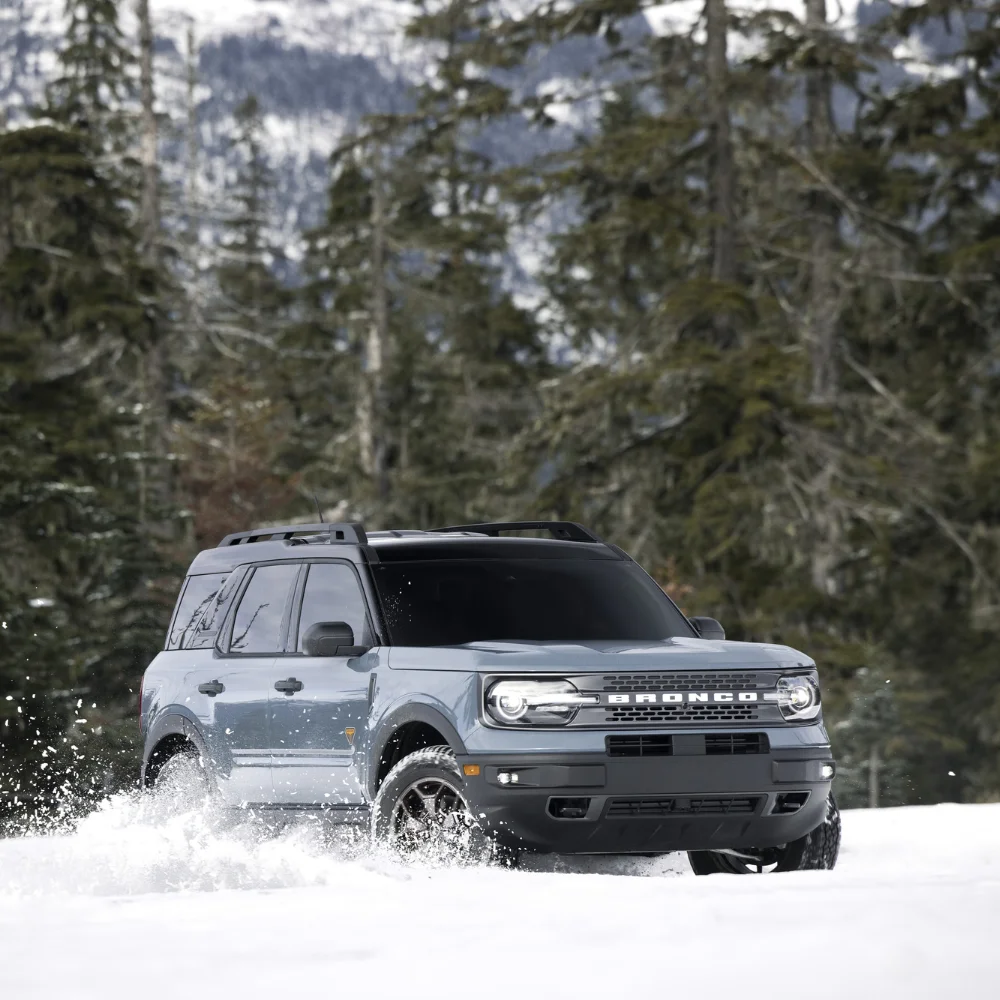
New England winters can change by the hour. One morning it’s rain, the next it’s black ice on bridges and slush in the lanes.
For Ford owners, timing your switch to winter tires is simple—and it makes a big difference in safety and control.
Why Winter Tires Matter
Winter tires are made with a softer rubber that stays flexible in cold weather. This helps your Ford start, steer, and stop on icy or snowy roads.
They also have deeper grooves and micro-sipes. These features push away slush and bite into slick surfaces for better grip.
The 44°F Rule: Your Easy Timing Cue
Don’t wait for the first snow. Winter tires work best when the temperature drops.
When daytime highs settle around 44°F (7°C) or lower for a week, switch to winter tires. In Connecticut, this often happens in late October or early November and lasts into March.
New England Road Realities
Connecticut sees quick freeze-thaw cycles, coastal dampness, and shaded back roads. Bridges on I-84, I-91, and the Merritt Parkway freeze first.
Morning school runs and evening commutes can turn slick without warning. Winter tires give you the margin you need when conditions change fast.
All-Season vs. All-Weather vs. Winter
All-Season Tires:
Good in mild temps, but the rubber stiffens in the cold. Stopping distances grow on ice and packed snow.
All-Weather Tires (3PMSF-rated):
A strong middle ground for drivers who don’t want seasonal swaps. They work better than all-seasons in cold, but not as well as true winter tires on ice.
Winter Tires (Snow Tires):
Best for consistent cold snaps. They shorten stopping distance and improve steering control in typical New England winter conditions.
Ford Models & Traction Notes
Modern Fords offer traction features that shine with the right tires.
-
F-150, Ranger, Maverick AWD: 4×4 modes help you go, but winter tires help you stop.
-
Explorer, Bronco, Bronco Sport, Escape: Drive modes like Slippery and Snow/Wet work best with winter grip.
-
Edge, Expedition, Mustang (with winter sets): Proper winter tires make a big difference in braking and cornering.
Step-by-Step: Decide When to Install
-
Watch the 10-day forecast. If highs trend at or below 44°F, book your appointment.
-
Check your route. Frequent bridge crossings, hills, and shaded roads? Switch sooner.
-
Plan around travel. If you’ll head north for the holidays, install earlier.
-
Avoid the first-storm rush. Shops book quickly—beat the crowd by a week.
Step-by-Step: Picking the Right Winter Tires
-
Confirm tire size. Use the driver’s door sticker or owner’s manual.
-
Look for the Three-Peak Mountain Snowflake (3PMSF). This is the winter performance mark.
-
Choose a type.
-
Studless winter: Best all-around for CT highways and city streets.
-
Severe-snow all-terrain: For mixed road/trail use on Broncos and trucks.
-
-
Buy four matching tires. Mixing types reduces control in emergencies.
-
Consider a second wheel set. It saves money and time at each seasonal change.
Installation Day Checklist
-
Inspect brakes, bushings, and suspension.
-
Road-force balance for smooth highway travel.
-
Torque lug nuts to spec, then re-torque after 50–100 miles.
-
Set cold tire pressure to the door-jamb PSI.
-
Check TPMS sensors and perform relearn if needed.
Break-In and First Drive
New winter tires have a smooth mold release layer. They need a short break-in.
Drive gently for the first 100 miles. Avoid hard stops and sharp turns until the tread scuffs in.
Tire Pressure: Cold Weather Basics
Air contracts in the cold. You can lose 1–2 PSI for every 10°F drop in temperature.
Check pressure monthly and before long trips. Always set PSI when the tires are cold, not after driving.
Rotation, Alignment, and Wear
Rotate winter tires every 5,000–6,000 miles to keep wear even.
If your Ford pulls, the wheel sits off-center, or you see uneven wear, get an alignment. Straight tracking protects your investment and improves braking.
Storage Tips for Spring
-
Wash off road salt and let tires dry.
-
Mark positions (LF, RF, LR, RR).
-
Store in bags, upright, in a cool, dark place.
-
Keep away from heat sources and direct sun.
Good storage adds seasons of life to your winter set.
Driving Habits Still Matter
Winter tires help, but smooth inputs keep you safe.
-
Brake earlier and leave extra space.
-
Use gentle steering on slick turns.
-
Avoid cruise control on icy roads.
-
Use Snow/Wet or Slippery modes when equipped for controlled starts and shifts.
Step-by-Step: Safe Lot Test After Install
-
Find an empty lot with clear sight lines.
-
At 10–15 mph, brake gently to feel ABS and stopping distance.
-
Make wide circles to sense steering bite and stability.
-
Practice a slow start on a frosty patch to feel how traction control works.
This quick test builds confidence before the next cold snap.
Budgeting & Total Cost of Ownership
Two sets of tires may sound expensive, but you split the mileage between them. Your all-seasons rest in winter, and winters rest in summer.
Over several years, total tire spend often evens out—while safety and performance improve in every season.
Common Mistakes to Avoid
-
Waiting for the first storm. Cold pavement reduces grip days before it snows.
-
Installing only two tires. Four matching winter tires keep handling predictable.
-
Skipping alignment. Misalignment eats new tires fast.
-
Ignoring tread depth. Replace winter tires around 5/32" for the best cold performance.
CT Commuter Scenarios
-
Early school run with shaded back roads: Switch earlier and keep PSI checked weekly.
-
I-95 coastline commute with sea spray: Winter tires resist slush planing and improve lane changes.
-
Weekend trips north: Install before Thanksgiving for mountain routes and colder temps.
Quick Winter Prep for Your Ford
-
Test the battery and charging system.
-
Top off washer fluid (winter blend).
-
Replace streaking wipers.
-
Keep an emergency kit: jumper pack, gloves, blanket, flashlight, and a tire inflator.
Tires are the foundation, but these extras keep your trip smooth.
FAQs
When should I switch to winter tires in Connecticut?
When highs hover around 44°F for a week, or before your first planned trip into colder areas.
Do I really need four winter tires?
Yes. Mixing only two changes handling and can cause unstable braking or cornering.
Are all-weather tires enough for New England?
They work for lighter winters and moderate driving. True winter tires still stop shorter on ice and hard-packed snow.
What PSI should I run in winter?
Use the door-jamb sticker PSI. Recheck monthly and after large temperature drops.
Will winter tires be noisy on the highway?
Quality studless winter tires are usually smooth and quiet. Aggressive tread may hum slightly.
How long do winter tires last?
Often 3–5 seasons, depending on mileage, rotation, and storage. Replace around 5/32" of tread for winter use.
Do I need an alignment with new winter tires?
If you notice uneven wear or pulling, yes. An alignment protects your new set and improves safety.
Can I use Snow/Wet mode without winter tires?
Yes, but the mode works best with winter tires that provide real grip on cold pavement.
Visit Gengras Ford
Ready to switch to winter tires and prep for safe holiday travel? Our team can size, install, balance, and align your set while checking brakes and TPMS.
If you’re comparing options and want the best Ford dealership CT has to offer, visit Gengras Ford for expert advice, transparent service, and winter-ready solutions built for New England roads.
Final Takeaway
Don’t wait for the first big storm. Time your swap using the 44°F rule, keep pressures set, and pair your Ford’s winter drive modes with true winter tires.
With the right setup—and a quick visit to Gengras Ford—you’ll stop shorter, steer straighter, and drive with confidence all season long.